 English
 Español
  Português
  русский
  Français
  日本語
日本語  Deutsch
  tiếng Việt
  Italiano
  Nederlands
  ภาษาไทย
  Polski
  한국어
한국어  Svenska
  magyar
  Malay
Malay  বাংলা ভাষার
  Dansk
Dansk  Suomi
Suomi  हिन्दी
  Pilipino
  Türkçe
  Gaeilge
  العربية
  Indonesia
  Norsk
Norsk  تمل
تمل  český
český  ελληνικά
  український
  Javanese
  فارسی
فارسی  தமிழ்
தமிழ்  తెలుగు
  नेपाली
  Burmese
  български
  ລາວ
ລາວ  Latine
  Қазақша
  Euskal
  Azərbaycan
  Slovenský jazyk
  Македонски
  Lietuvos
  Eesti Keel
  Română
  Slovenski
  मराठी
मराठी  Srpski језик


How High Pressure Pump Works in Industrial and Commercial Applications
Article Summary
High pressure pumps are critical components in industries such as cleaning, manufacturing, oil & gas, and construction. This article explains how a high pressure pump works, its key components, working principles, types, and how to select the right pump based on real-world requirements. It also addresses common user concerns such as durability, efficiency, maintenance, and cost-effectiveness.
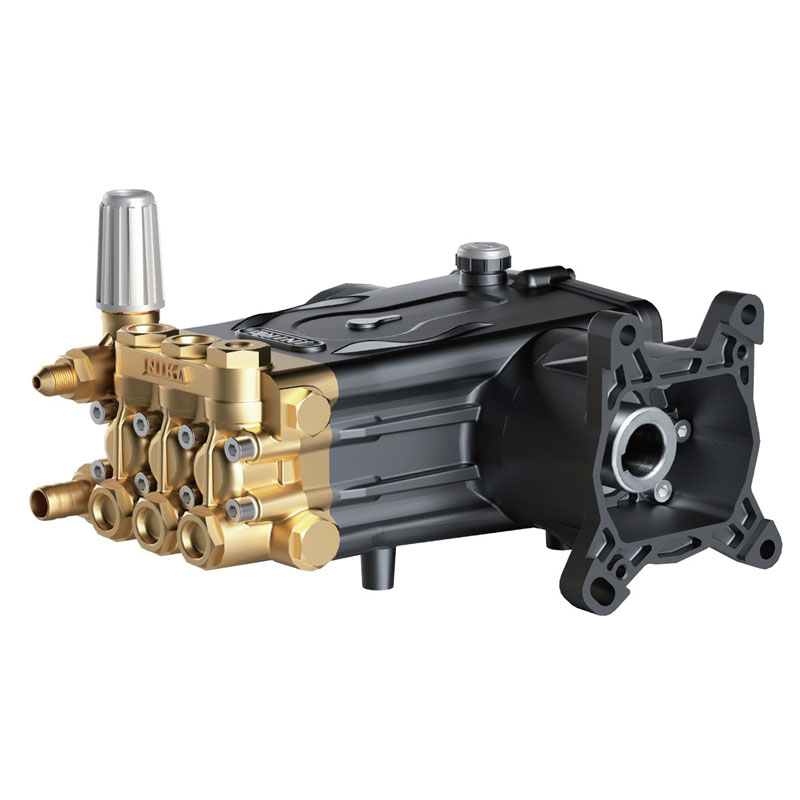
Table of Contents
1. What Is a High Pressure Pump
2. How High Pressure Pump Works
3. Key Components of a High Pressure Pump
4. Types of High Pressure Pumps
5. Product Parameters and Specifications
6. How to Choose the Right High Pressure Pump
7. Common Applications
8. Maintenance and Troubleshooting
9. FAQs
10. Conclusion
1. What Is a High Pressure Pump
A high pressure pump is a mechanical device designed to move fluids at significantly elevated pressure levels. Unlike standard pumps, it is engineered to deliver consistent output under demanding conditions, often exceeding 100 bar and reaching up to 1000 bar or more depending on the design.
These pumps are widely used in pressure washing systems, industrial cleaning, water jet cutting, and fluid transfer systems where high force is required. One of the most common pain points for users is inconsistent pressure output, which often results from poor pump selection or inadequate system design.
2. How High Pressure Pump Works
The working principle of a high pressure pump is based on converting mechanical energy into hydraulic energy. This process typically involves a piston, plunger, or diaphragm mechanism that compresses fluid within a sealed chamber.
The operation can be broken down into the following steps:
- Fluid enters the pump chamber through an inlet valve
- The piston or plunger moves forward, compressing the fluid
- Pressure builds as the chamber volume decreases
- The outlet valve opens once pressure exceeds system resistance
- High-pressure fluid is discharged to the application system
This cyclic motion ensures a continuous flow of high-pressure fluid. In advanced systems such as those offered by JNIKA, precision engineering ensures minimal energy loss and stable pressure output.
3. Key Components of a High Pressure Pump
Understanding the core components helps users identify potential issues and improve system efficiency.
- Pump Head: Houses the internal mechanisms and handles pressure loads
- Piston/Plunger: Responsible for compressing the fluid
- Inlet and Outlet Valves: Control fluid direction
- Seals and Gaskets: Prevent leakage under high pressure
- Drive System: Converts motor energy into mechanical motion
Durability of these components directly impacts performance and maintenance costs, which is a major concern for industrial buyers.
4. Types of High Pressure Pumps
Different applications require different pump types. Choosing the wrong type can lead to inefficiency and premature failure.
- Piston Pumps: Ideal for high pressure and low flow applications
- Plunger Pumps: Suitable for continuous high-pressure operations
- Diaphragm Pumps: Used for handling corrosive or sensitive fluids
- Electric Pressure Pumps: Common in commercial cleaning systems
Each type has unique advantages, and selecting the right one depends on pressure requirements, fluid type, and operational conditions.
5. Product Parameters and Specifications
| Parameter | Description |
| Maximum Pressure | 100 – 1000 Bar |
| Flow Rate | 10 – 200 L/min |
| Power Source | Electric / Diesel / Hydraulic |
| Material | Stainless Steel / Brass / Alloy |
| Temperature Range | Up to 90°C |
| Application | Cleaning, Cutting, Industrial Processing |
These parameters should always be matched with your specific application requirements to avoid underperformance or equipment damage.
6. How to Choose the Right High Pressure Pump
Selecting a high pressure pump involves evaluating multiple technical and operational factors. Many buyers face challenges due to lack of clarity in specifications.
- Pressure Requirement: Ensure the pump meets or exceeds system demands
- Flow Rate: Match output with operational needs
- Fluid Type: Consider viscosity and chemical properties
- Operating Environment: Temperature, humidity, and exposure conditions
- Maintenance Accessibility: Ease of servicing and spare part availability
JNIKA provides tailored solutions that align with specific industrial requirements, ensuring optimal performance and longevity.
7. Common Applications
High pressure pumps are used across various industries:
- Industrial cleaning and pressure washing
- Oil and gas pipeline maintenance
- Water jet cutting systems
- Agricultural irrigation systems
- Construction site dust suppression
The versatility of these pumps makes them indispensable, but improper usage often leads to inefficiencies and higher operational costs.
8. Maintenance and Troubleshooting
Routine maintenance is essential to ensure long-term reliability. Neglecting maintenance is one of the most common user pain points.
- Inspect seals and valves regularly
- Monitor pressure levels for inconsistencies
- Replace worn components promptly
- Use clean and compatible fluids
- Follow manufacturer guidelines for servicing intervals
Proper maintenance reduces downtime and extends equipment lifespan significantly.
9. FAQs
Q1: What is the typical lifespan of a high pressure pump?
A: With proper maintenance, a high pressure pump can last 5–10 years or longer depending on usage conditions.
Q2: Can a high pressure pump handle corrosive fluids?
A: Yes, but it requires specialized materials such as stainless steel or diaphragm designs to prevent damage.
Q3: Why is my pump losing pressure?
A: Common causes include worn seals, clogged valves, or air leakage in the system.
Q4: How often should maintenance be performed?
A: Regular inspection is recommended every 3–6 months depending on operating frequency.
10. Conclusion
Understanding how a high pressure pump works is essential for making informed purchasing and operational decisions. From selecting the right type to maintaining optimal performance, each step plays a crucial role in maximizing efficiency and minimizing costs.
JNIKA specializes in providing high-quality high pressure pump solutions designed to meet diverse industrial needs. With advanced engineering, durable materials, and reliable performance, JNIKA products help businesses achieve consistent results even in demanding environments.
For customized solutions, technical support, or product inquiries, contact us today to discover how JNIKA can enhance your operations and deliver long-term value.
Send Inquiry


X
We use cookies to offer you a better browsing experience, analyze site traffic and personalize content. By using this site, you agree to our use of cookies.
Privacy Policy